Office cleaning for Vicarage Road businesses Watford
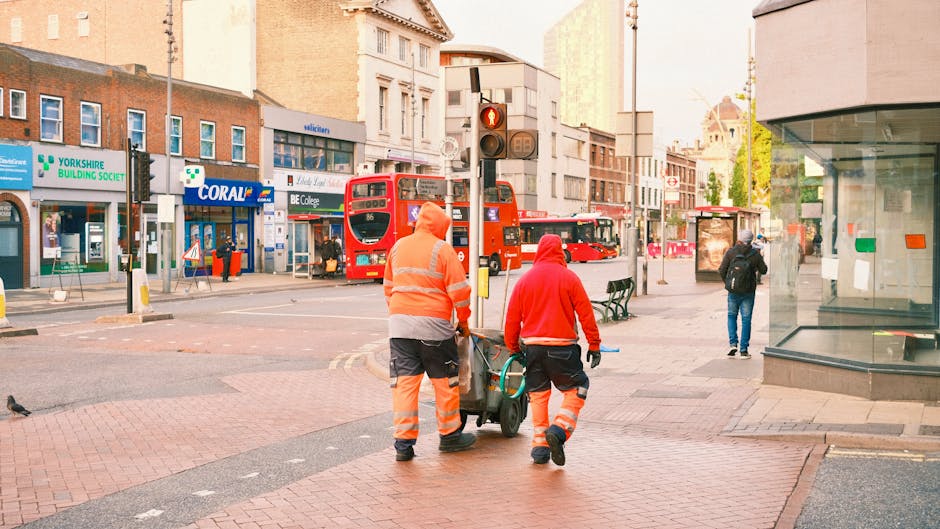
If you run a business near Vicarage Road in Watford, you already know the rhythm of the area. Some days are busy and loud, with customers, deliveries, meetings, and the usual shuffle of people coming and going. In that setting, Office cleaning for Vicarage Road businesses Watford is not just about making a workspace look neat. It helps create a place where staff can focus, visitors feel welcome, and everyday operations run with fewer distractions.
That matters more than people sometimes realise. A clean office can reduce the feeling of chaos, protect surfaces and fixtures, and give you a better first impression before anyone has even sat down. In this guide, you will find a practical breakdown of how office cleaning works, who needs it, what to expect, and how to make sensible decisions without overcomplicating things. Truth be told, it is easier when you know what good looks like.
Why Office cleaning for Vicarage Road businesses Watford Matters
Office cleaning sounds straightforward, but the reality is broader than a quick tidy and a vacuum round before closing time. For Vicarage Road businesses, location shapes the need. Offices near a busy road tend to deal with more dust, footfall, tracked-in grit, fingerprints on glass, and the general wear that comes from people moving in and out all day. Add in shared facilities, meeting rooms, and reception spaces, and the cleaning job becomes part appearance, part hygiene, and part reputation.
Let's face it: people notice things. A dusty skirting board, a stained carpet, a smudged door handle. None of it seems dramatic on its own, but together it can make a workplace feel neglected. That is especially noticeable in client-facing businesses, property offices, professional services firms, and smaller teams sharing space near the road. A tidy office helps people settle. Staff too. You can almost feel the day get easier when the space is in order.
There is also a practical side. Regular cleaning supports the condition of floors, upholstery, desks, kitchens, toilets, and touchpoints. It can reduce avoidable build-up that leads to more time-consuming deep cleans later. And if you manage a busy office with frequent visitors, cleaner shared areas can help keep things more consistent from Monday morning right through to Friday afternoon - which, if we are honest, is when offices often start to look a bit tired.
If your business works with premises management, contractors, or multiple locations, office cleaning becomes even more valuable as a standard rather than a luxury. It is one of those services people only really notice when it is done badly. Done well, it fades into the background and quietly improves the whole day.
How Office cleaning for Vicarage Road businesses Watford Works
Most office cleaning arrangements start with a walk-through or a simple discussion of your space, priorities, and timings. A good cleaner or cleaning company will want to understand the size of the office, the type of flooring, the number of rooms, the level of footfall, and any sensitive areas such as server rooms, client meeting areas, or shared kitchen spaces. They may also ask about access, alarm procedures, and whether cleaning needs to happen before opening, after closing, or at another quiet time.
From there, the cleaning plan is usually built around the areas that matter most. Typical tasks include vacuuming, mopping, dusting, bin emptying, wiping worktops, sanitising high-touch points, cleaning washrooms, and keeping kitchens presentable. Some offices need extras such as carpet care, window cleaning, hard floor maintenance, or periodic deep cleaning. Others need a lighter, more frequent service that focuses on everyday upkeep. There is no single perfect formula. It depends on the building and how it is used.
In a well-run arrangement, the schedule is clear and predictable. That might mean daily cleaning for a busy office, a few visits each week for a smaller business, or a layered approach that combines regular maintenance with occasional deeper work. The important thing is consistency. Offices do not usually fall apart in a day; they decline a little at a time. A cleaning plan should work the same way in reverse.
Some businesses near Vicarage Road also prefer to blend office cleaning with related services when needed. For example, a company might pair routine office care with window cleaning for a sharper first impression, or add deep cleaning after a busy period, renovation, or office reshuffle. If carpets are taking the brunt of daily traffic, a service such as carpet cleaning can make a noticeable difference too.
Key Benefits and Practical Advantages
The benefits of professional office cleaning are easy to list, but the real value shows up in day-to-day life. A cleaner environment improves how an office feels at the start of the day and how it holds up by late afternoon. That may sound modest, but in a working week, modest gains add up fast.
- Better first impressions: Reception areas, meeting rooms, and washrooms shape how clients and visitors judge your business.
- Improved staff comfort: People work better in tidy, well-kept surroundings. It is simple, but true.
- Less visible wear and tear: Regular maintenance helps protect flooring, desks, and shared surfaces.
- More reliable hygiene standards: High-touch points and communal areas get attention before grime builds up.
- Reduced admin burden: Instead of staff improvising cleaning jobs, there is a clear process in place.
- Better use of time: Employees can focus on work instead of trying to keep the office half-presentable between tasks.
There is also a quieter benefit that people sometimes miss: office cleaning helps create a sense of order. If your team arrives to a fresh kitchen, clear desks, and bins emptied properly, the whole day starts with less friction. Small thing? Maybe. But small things do shape morale.
For businesses that host clients regularly, cleaner premises can support trust. Not because anyone expects perfection, but because a cared-for office suggests the business itself is cared for. That is a subtle signal, yet in local commercial settings it matters. Especially in a place where first impressions happen quickly.
Who This Is For and When It Makes Sense
Office cleaning is not only for large corporate spaces. In and around Vicarage Road, it can make sense for a wide range of businesses, including small professional firms, shared offices, administrative teams, agencies, medical-adjacent offices, property services businesses, and any workplace with regular visitors. If your team uses the same space daily and there is more than one person making a mess, some level of structured cleaning usually becomes worthwhile fairly quickly.
It also makes sense when you notice recurring issues rather than one-off clutter. For example, maybe the kitchen keeps becoming sticky by Wednesday, the carpets look tired near entrances, or the toilets need more frequent attention than staff can reasonably cover. That is usually the point where a proper cleaning plan starts saving time and frustration.
Here are a few signs that your office likely needs a more reliable service:
- Dust returns quickly on desks, shelves, or electronics.
- Bins fill faster than internal staff can comfortably manage.
- Shared areas look untidy before the week is over.
- Visitors are likely to see reception, meeting rooms, or toilets.
- Staff have started to complain about standards, smell, or general mess.
- You are preparing for a busy season, inspection, move, or refresh.
It can also be a smart move after changes in occupancy. A growing business, a hybrid team with hot-desking, or a company moving into a new unit near Vicarage Road may all need a different cleaning rhythm than before. The office has changed; the cleaning should too.
Step-by-Step Guidance
If you want a sensible way to approach office cleaning, it helps to break it into steps. That keeps the decision grounded and avoids those vague conversations where everyone assumes someone else knows what is needed. They never do, by the way.
- List the spaces that matter most. Start with reception, workstations, meeting rooms, kitchen areas, toilets, corridors, and entrances. These are usually the first places people notice.
- Identify the cleaning frequency you actually need. A busy office with client traffic may need daily attention, while a smaller admin office might only need a few visits per week.
- Separate routine cleaning from occasional tasks. Standard cleaning covers the basics. Deep cleaning, carpet work, or window cleaning may be best handled on a different schedule.
- Think about access and timing. After-hours, early-morning, and weekend cleaning each have pros and cons. Choose what fits your workflow best.
- Set the expectations clearly. Decide what should be cleaned every visit, what should happen weekly, and what counts as an extra request.
- Check quality after the first few visits. Walk the office, not just once, but a few times. You will quickly notice if the arrangement is working or if something is being missed.
A small practical tip: do not overload the first schedule. It is often better to start with a realistic plan and add tasks later than to ask for too much and end up with uneven results. Cleaners are people, not miracle workers. Helpful people, yes. Miracle workers, no.
If your office has mixed flooring, break it down by area. Carpets near entrances may need more attention than meeting rooms. Hard floors in kitchens and toilets may need different products and methods than desks and screens. Good cleaning is specific. The more exact the brief, the better the results tend to be.
Expert Tips for Better Results
After years of looking at what makes office cleaning work well, a few patterns stand out. The best results usually come from clarity, consistency, and a bit of common sense. Nothing glamorous. Just sensible habits that stick.
1. Keep high-touch points on a tight schedule. Door handles, switches, fridge doors, taps, and shared appliances get used constantly. These are the items worth treating as priority areas, not afterthoughts.
2. Match the service to how the office is used. A quiet back-office setup does not need the same approach as a client-facing reception with steady footfall. It sounds obvious, but people still get this wrong.
3. Make reporting easy. If something is missed, staff should know how to flag it quickly. A short note, message, or checklist can solve a lot before it becomes a bigger issue.
4. Use seasonal common sense. In wetter months, entrances collect more grit and moisture. In warmer periods, bins and kitchens can become the problem areas. Small adjustments help more than many businesses expect.
5. Think beyond the obvious surfaces. Light switches, chair arms, skirting boards, and the edges of desks often get overlooked. They are small details, but they shape the overall feel of the office.
And yes, sometimes the obvious answer is the right one: if the kitchen always looks rough by Thursday, it probably needs more than a quick wipe and a hopeful sigh.
For offices with a broader cleaning need, it can also help to understand related services. A business that needs periodic refresh work may benefit from a combination of one-off cleaning, office cleaning, and, where appropriate, specialist support such as professional cleaning services. The point is to build a practical setup, not a complicated one.
Common Mistakes to Avoid
Most cleaning problems are not dramatic. They creep in through small oversights, unclear expectations, or trying to squeeze too much out of too little. Here are the mistakes that cause the most frustration.
- Assuming everyone wants the same standard. Staff, managers, and visitors may all notice different things. Set the priorities clearly.
- Focusing only on visible areas. Reception may look fine, while kitchens or washrooms tell a very different story.
- Ignoring access and security issues. If cleaners cannot enter safely or move freely, the quality drops fast.
- Skipping regular reviews. An office changes over time. A setup that worked six months ago may not fit now.
- Choosing on price alone. Cheap can be fine if the scope is honest. But if the brief is vague, the results usually are too.
- Mixing ad hoc tasks into routine cleaning without agreement. That is a classic way to create confusion.
Another common issue is underestimating the impact of foot traffic. A small office near a busy route like Vicarage Road can gather more dust and debris than a similar office tucked away in a quieter location. It is not dramatic, just persistent. And persistence is what makes mess feel hard to control.
To be fair, many office managers are juggling plenty already. Cleaning does not need to become a second job. It just needs a proper structure.
Tools, Resources and Recommendations
Good office cleaning is supported by the right tools and routines. You do not need a warehouse full of kit, but you do need a setup that matches the space. Microfibre cloths, suitable floor care equipment, safe cleaning products, colour-coded cloth systems for different areas, and clearly labelled supplies all help reduce cross-contamination and wasted time.
For businesses managing cleaning internally, a simple written schedule can work wonders. Keep it visible. Mark daily, weekly, and monthly tasks separately so nothing important slips through the cracks. It sounds basic because it is basic, and that is why it works.
Useful areas to think about include:
- Reception and entrance zones: mats, glass, finger marks, and floor debris.
- Desks and shared work areas: dusting, sanitising, and clearing clutter where appropriate.
- Kitchen spaces: sinks, worktops, appliances, bins, and handles.
- Washrooms: hygiene, restocking, smell control, and visible presentation.
- Flooring: carpets, hard floors, and transitions between rooms.
If your business also cares about waste handling and greener habits, it may be worth looking at recycling and sustainability alongside your cleaning routine. And if you want a clearer sense of service fit or company background, the about us page can help give useful context before you decide how to proceed.
There is one more thing worth saying: cleaning products and methods should suit the surface. Stronger is not automatically better. In fact, using the wrong product can leave residue, dull finishes, or create extra work later. Quietly annoying, that.
Law, Compliance, Standards, or Best Practice
For office cleaning, the big theme is not legal drama; it is responsible practice. UK workplaces have general duties around health and safety, and cleaning arrangements should support a safe, tidy, low-risk environment. That means cleaning products should be stored safely, work areas should not be left slippery or obstructed, and people carrying out the work should be trained appropriately for the tasks they are doing.
It is also sensible to consider insurance, security, privacy, and access control. If cleaners are working in an office with sensitive documents, IT equipment, or client information, the cleaning process should respect those boundaries. This is where proper instructions and trustworthy access arrangements matter more than people often think.
Best practice usually includes:
- clear scope of work and written expectations
- safe storage and use of chemicals
- appropriate protective equipment where needed
- attention to slips, trips, and wet floor risks
- secure handling of keys, alarms, and access codes
- respect for confidential spaces and equipment
If you are choosing a provider, it is reasonable to ask about insurance and safety arrangements. Pages such as insurance and safety and the health and safety policy can help you understand how a business approaches these responsibilities. You can also review practical terms through the terms and conditions if you want a fuller picture before agreeing anything.
None of this needs to be heavy-handed. It just needs to be sensible. That is usually enough.
Options, Methods, or Comparison Table
Different offices need different cleaning methods. A small back-office space does not need the same setup as a client-facing commercial suite. Below is a simple comparison to help narrow the choice.
| Approach | Best for | Strengths | Watch-outs |
|---|---|---|---|
| Routine office cleaning | Day-to-day upkeep for most businesses | Consistent, practical, easier to plan | May not handle heavier build-up on its own |
| Deep cleaning | Periodic refreshes, busy offices, post-works cleanup | Reaches corners, tougher marks, and neglected areas | Usually costs more and takes longer |
| One-off cleaning | Short-term needs, special events, move-ins, or resets | Flexible and useful for sudden demand | Not ideal as the only ongoing solution |
| Specialist add-ons | Carpets, windows, hard floors, or upholstery | Targets problem areas with the right method | Needs good timing and coordination |
If you are unsure which route to take, start by asking what problem you are trying to solve. Is it daily presentation? Hygiene? A seasonal reset? Better staff comfort? The answer usually points you toward the right mix of services.
For example, a busy office with a worn entrance carpet may need routine cleaning plus occasional carpets cleaner support, while a business preparing for a presentation or handover may prefer a more intensive deep cleaning visit first. Different jobs, different tools.
Case Study or Real-World Example
Here is a realistic scenario. A small professional office near Vicarage Road had six staff, one meeting room, a shared kitchen, and a reception area that clients passed through several times a week. At first, the team tried to handle cleaning informally. Someone wiped the counters. Someone else took the bins out. The kitchen looked fine on Monday morning, then less fine by Thursday. You know how it goes.
The issue was not dramatic dirt; it was inconsistency. Fingerprints built up on glass, the entrance floor collected grit, and the washroom needed more attention than the team could fairly give it while doing actual work. Once they moved to a structured cleaning plan, the office changed noticeably. The reception looked sharper, staff stopped arguing about who was "meant" to deal with the kitchen, and clients arriving midweek saw a more settled space.
What made the biggest difference was not any single special treatment. It was the routine. Daily attention to high-touch and high-traffic areas, weekly review of spots that got forgotten, and a sensible add-on for the carpets near the entrance. Simple, yes. But simple done properly is often the whole trick.
If your workplace feels a little like that now - partly clean, partly managed, partly patched together - there is nothing unusual about it. Most offices get there eventually. The good news is that it is usually fixable without a huge upheaval.
Practical Checklist
Use this checklist to review your office cleaning setup before you commit to anything. It is deliberately plain and practical.
- Do we know which areas need daily attention?
- Have we identified anything that needs weekly or monthly cleaning?
- Are reception, toilets, kitchens, and entrances covered properly?
- Do we know when cleaning should happen to avoid disruption?
- Have we clarified access, alarms, keys, and security procedures?
- Are high-touch points included in the routine?
- Do we understand which surfaces need specialist care?
- Have we asked about insurance and health and safety arrangements?
- Is there a simple way to report missed tasks or concerns?
- Have we planned for occasional deep cleaning or seasonal refreshes?
Quick takeaway: the best office cleaning plans are the ones people can actually follow. Not the fanciest. Not the most complicated. The ones that fit the office, fit the team, and keep working when things get busy.
Conclusion
Office cleaning for Vicarage Road businesses Watford is really about making daily working life calmer, cleaner, and more reliable. Whether you manage a compact office, a client-facing workspace, or a busier commercial setting, the right cleaning approach supports presentation, hygiene, and morale all at once. It also helps protect the place you work in, which is no small thing when you add up the weeks, the traffic, and the everyday wear.
The smartest approach is usually the one that starts with honest needs, clear priorities, and a realistic schedule. Keep it simple, keep it consistent, and review it before small issues become annoying ones. That way, the office stays in good shape without becoming another thing on your already full list.
Get a free quote today and see how much you can save.
If you are comparing providers or refining your brief, it may also help to review pricing and quotes and the main office cleaners service page so you can see what is covered before making a decision. And if you need to speak directly with someone, the contact us page is there when you are ready.
Frequently Asked Questions
What does office cleaning usually include for businesses near Vicarage Road?
It usually includes vacuuming or mopping, dusting, bin emptying, kitchen cleaning, washroom cleaning, wiping shared surfaces, and keeping entrances and reception areas presentable. Some offices also need window cleaning, carpet care, or periodic deep cleaning.
How often should office cleaning be done in a busy Watford office?
That depends on footfall and how the office is used. A busy client-facing office often benefits from daily cleaning, while a smaller or quieter workspace may only need a few scheduled visits each week. The best frequency is the one that keeps standards consistent.
Is office cleaning different from deep cleaning?
Yes. Routine office cleaning keeps the space tidy and hygienic on a regular basis. Deep cleaning goes further and tackles built-up dirt, neglected corners, tougher marks, and areas that are not covered every visit. Most offices need both at different times.
Can office cleaning be done outside working hours?
Absolutely. Many businesses prefer early mornings, evenings, or weekends so staff are not disrupted. Timing should be agreed clearly at the start so access, alarms, and security are handled properly.
What should I ask before hiring an office cleaning service?
Ask what tasks are included, how often the work will happen, whether they are insured, how they handle health and safety, what happens if something is missed, and whether any extra services can be added later. Clear answers now save awkward conversations later.
Do small offices near Vicarage Road really need professional cleaning?
Often, yes. Even a small office can collect dust, fingerprints, and general clutter quickly, especially with shared kitchens or regular visitors. Small spaces sometimes look untidy faster than bigger ones because there is nowhere for mess to hide.
Can office cleaning help with first impressions for clients?
Very much so. Clients notice reception areas, meeting rooms, toilets, and entrances. A clean office suggests professionalism and care, which supports trust before anyone has even started the meeting.
What areas are most commonly overlooked in office cleaning?
Light switches, door handles, skirting boards, chair arms, fridge doors, and the edges of desks are often missed. High-traffic floors and the tops of cupboards can also get forgotten if the routine is too rushed.
Is it worth combining office cleaning with window or carpet cleaning?
Yes, if those areas are affecting the overall appearance or comfort of the office. Windows make a big difference to light and presentation, and carpets near entrances often show wear sooner than other surfaces. A combined plan can be more effective than piecemeal fixes.
How do I know if the cleaning standard is good enough?
Walk the office at different times of day and check the areas people actually use. If reception, kitchens, toilets, and entrances stay presentable between visits, the standard is probably working. If not, the schedule or scope may need adjusting.
What if my office needs a one-off reset before regular cleaning starts?
That is common enough. A one-off or deep clean can give the space a proper reset before a routine schedule begins. It is often the easiest way to start fresh rather than trying to fix long-standing build-up a little bit at a time.
How can I make office cleaning less disruptive for staff?
Choose sensible timings, keep the cleaning schedule predictable, and make sure cleaners have clear access to the areas that need attention. The less improvisation involved, the less staff will notice the process - which is usually a good sign.