Watford Cleaners in Watford

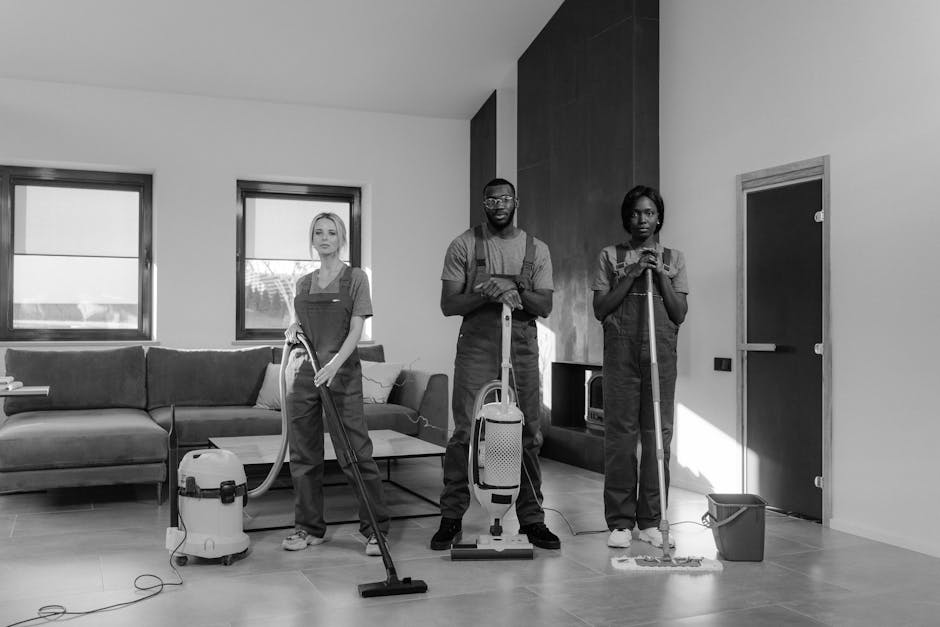
Watford Cleaners provides cleaning services in Watford with a clear focus on practical domestic and commercial work that helps properties stay presentable, hygienic and easier to maintain. The main service covers routine house cleaning, one-off cleaning, deep cleaning and a selection of specialist tasks such as oven cleaning, carpet cleaning and upholstery cleaning. That mix gives households and businesses a straightforward way to arrange the type of cleaning that best fits the space, the surfaces and the condition of the property.
For many customers, the value of a good cleaner is not simply tidiness but consistency in the details that are easy to miss: skirting boards, edges, fixtures, touch points and high-use areas that shape the overall feel of a room. Our approach is centred on clear expectations and a sensible scope, so the work can be matched to the property instead of pushed into a one-size-fits-all routine. If you are comparing options, start by looking at the service that suits the property and then request a quotation in plain terms.
Useful planning usually begins with the surfaces and rooms that matter most. A rental flat, family house, office suite or managed communal space may each need a different cleaning pattern, and the right service can save time later by targeting the areas that collect the most use. Our cleaning company page gives a broader view of how the service range fits together, while the rest of this page breaks down the main options in a more practical way.
Domestic cleaning and one-off visits

Domestic cleaning is often the most useful starting point for customers who want the home kept in steady order without having to handle every task themselves. It can include dusting, polishing, vacuuming, wiping surfaces, cleaning bathrooms and kitchens, and making sure everyday living areas are refreshed in a sensible sequence. A one-off clean suits properties that need a deeper reset after a busy period, a gap in maintenance or before a particular event.
When a home needs a broader reset, the detail matters as much as the visible finish. Corners, ledges, taps, cabinet fronts and other frequently handled areas can build up residue that normal surface cleaning may not fully shift. Our domestic cleaning service is designed to support regular upkeep, while one-off cleaning is useful when the task is more intensive and the work needs a stronger initial push before a standard schedule takes over.
Before requesting a quotation, it helps to think about three things: the size of the property, the rooms that need attention and whether any areas require more than light maintenance. If you already know which spaces need priority, it is easier to shape a sensible scope. For example, some customers want only kitchens and bathrooms covered in detail, while others prefer a whole-property visit with extra attention on reception rooms, hallways or utility spaces. A brief written note is usually enough to start the process.
Deep cleaning for a more thorough result

Deep cleaning goes beyond a standard tidy and is best suited to properties that need a more concentrated clean across a wider range of surfaces. It usually involves more detailed work around fixtures, fittings, corners, edges and areas that are not always included in routine visits. The aim is not to overcomplicate the process but to give the property a more complete refresh when the current level of cleaning is no longer enough.
This kind of service is often useful when a home or workplace has accumulated grease, dust or general build-up over time. It can be combined with other specialist tasks where needed, but it should still be planned realistically. Some spaces need extra focus in kitchens, others need attention in bathrooms, and some benefit most from detailed dust removal across high and low surfaces. The deep cleaning page explains that service in more detail and helps you judge whether a thorough clean is more suitable than a lighter visit.
Good planning for deeper work is about scope, not sales language. If you know which rooms need the most effort, the quotation can reflect that more accurately. It is also useful to say whether the property is occupied, vacant or being prepared for another use, because that changes how the work is organised. Deep cleaning is most effective when the starting point is clear and the result is measured against the actual condition of the property rather than a generic checklist.
End of tenancy cleaning and move-related work
End of tenancy cleaning is a focused service for properties that need to be left in a strong presentational condition at the end of a letting period. The work typically covers the usual domestic areas but with a sharper emphasis on the details that are often checked when a tenant moves out. Kitchens, bathrooms, floors, switches, worktops and internal fittings may all need extra attention so the property is ready for the next stage.
This kind of cleaning can be more structured than a normal domestic visit because the work is usually judged against a clear endpoint. A careful end of tenancy cleaning service may include targeted cleaning across rooms that have seen regular use, helping to reduce the amount of residue left behind. It is also useful for landlords, letting agents and tenants who want a practical clean without mixing it up with unrelated repair or decoration work.
Move-related cleaning often works best when the scope is set out in simple terms at the start. A property that is empty may need different handling from one that still contains furniture or leftover items. If there are awkward access points, delicate finishes or areas with heavier marks, it is sensible to mention them early so the work can be priced and planned properly. That keeps the conversation focused on the cleaning itself and avoids uncertainty later on.
Specialist carpet, rug and upholstery cleaning

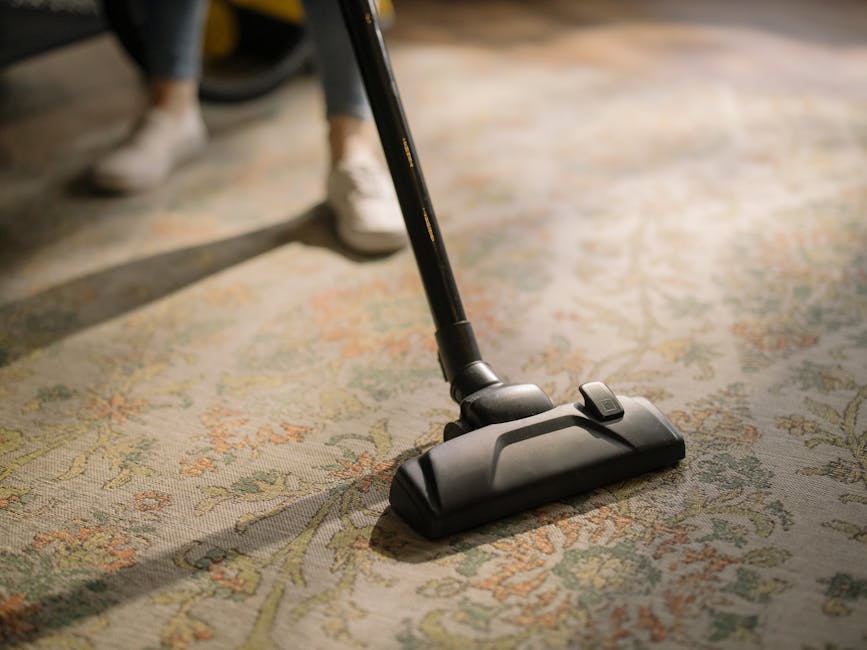
Textiles and soft furnishings usually need a different approach from hard surfaces. Carpet, rug and upholstery cleaning is designed for materials that hold dust, foot traffic marks and general wear in a way that cannot always be removed with standard vacuuming. A focused clean can help refresh appearance, improve the feel of a room and support the ongoing care of items that are used every day.
The right method depends on the item and the fibre. A fitted carpet, a loose rug and a fabric sofa do not need the same process, even when the goal is similar. For that reason, it is useful to separate the service you need rather than asking for a generic cleaning appointment. Our pages for carpet cleaning, rug cleaning and upholstery cleaning set out the main options and make it easier to match the treatment to the material.
If you are comparing textile cleaning options, think about both the fabric and the result you want. Some items mainly need surface refreshment, while others need a more detailed clean because they are heavily used or visibly marked. It is also worth noting whether the item is fixed in place or movable, since access can change how the work is organised. The simplest quotation requests usually state the number of items, the room locations and any obvious stains or wear patterns.
Oven, hard floor and window cleaning
Some of the most useful specialist jobs are the ones that improve the look of a property without changing the rest of the cleaning routine. Oven cleaning is a good example because built-up grease and carbon can be awkward to remove with household products alone. Hard floor cleaning is another, especially where a surface needs attention beyond everyday mopping. Window cleaning adds a visible finish that can make internal and external areas feel brighter and more cared for.
Each of these services has its own practical focus. An oven cleaning visit concentrates on the appliance itself, while hard floor cleaning is better for tiled, sealed or otherwise robust surfaces that need a more careful treatment. Window cleaning is usually most valuable where clarity, presentation and light levels matter, whether in a home or a business setting. The point is to choose the task that solves the actual problem rather than booking a wider clean than you need.
A small amount of preparation can make these services more straightforward. For example, access to the appliance, the floor area or the windows should be clear enough for work to proceed safely, and it helps to know whether the space is domestic or commercial. If there are delicate finishes, unusual window types or flooring that needs particular care, mention that when asking for a quotation. That allows the scope to be set sensibly and helps avoid guesswork.
Commercial cleaning for offices and workplaces

Commercial cleaning needs to balance presentation with routine upkeep, especially in offices and similar workplaces where shared surfaces see frequent use. The work may include desks, communal points, meeting areas, floors, washrooms and touch surfaces, all handled in a way that supports a tidy and professional environment. It is usually best approached as a repeatable service with a clear scope rather than a vague promise to clean everything in sight.
Different workplaces have different priorities. A small office might need a lighter but dependable schedule, while a busier suite may need more detailed attention in communal areas. Our office cleaning and office cleaners pages explain the core service from two useful angles: one focused on the work itself and one on the cleaner-led approach. If the property is more general than an office, the broader cleaners page can still help you identify the most appropriate route.
When asking about workplace cleaning, it is often useful to note the type of premises, the rooms to be covered and whether the work should happen around business hours or during quieter periods. Keep the request concise but informative. If you need a quote, use the contact route that suits your preferred starting point and set out the location, the service and the level of detail you want covered.
How to shape a clear quotation request
A sensible quotation request is usually built around a few essentials rather than long explanations. Start with the service you need, then state whether the property is domestic or commercial and list the areas or items to be cleaned. If the job includes specialist work such as carpets, ovens or upholstery, it is best to mention that separately so the scope is easier to understand. Clear information helps the quotation reflect the actual task more closely.
It can also help to mention access details in ordinary terms. For example, a property may be occupied, empty, partially furnished or set up for a specific event or changeover. None of that needs to be over-explained, but it does matter when a cleaner is working out how the job should be approached. If you have a preferred timing window or any surfaces that need extra care, include that in the first message rather than leaving it to later follow-up.
For straightforward jobs, the key is to avoid making the request broader than necessary. A precise request for one service is usually easier to price than a note that tries to cover every room and every task at once. When you are ready, visit the relevant service page, compare the wording against what you need and then ask for a quotation in plain text. If you know the service already, you can move straight to the next step without delay.
About Watford
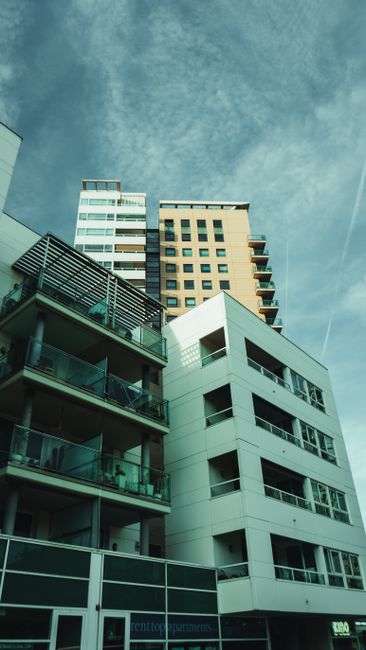
Watford is a town in Hertfordshire, north-west of London, shaped by a long history of transport, commerce and suburban growth. It developed from an early market settlement into a significant urban centre as road and rail links improved, especially after the arrival of the railway in the nineteenth century. The town centre has a mix of older streets and later retail and civic development, while surrounding districts include residential areas that grew in different phases across the twentieth century. Watford Museum records the town’s social and industrial history, including local manufacturing, leisure and public life. Cassiobury Park is one of the best-known green spaces in the area, with open grassland, woodland, play areas and routes along the River Colne corridor. The Grand Union Canal also runs through the wider district, adding waterways, towpaths and bridges to the local landscape. Watford Palace Theatre remains a notable cultural venue, and the area has a strong connection with football through Watford F.C. at Vicarage Road. Architectural variety is part of the town’s character: Victorian terraces, interwar housing, post-war estates and newer commercial buildings all sit within a relatively compact urban area. That mix gives Watford a layered appearance rather than a single visual style, and many streets still show the stages of its expansion. The town is also tied to London in practical terms while retaining its own identity through civic buildings, parks and local institutions. It is this combination of transport links, open space and urban density that gives Watford its distinct place in the county.
Hard-working cleaning for homes, rentals and workplaces
Not every property needs the same kind of attention, and the most practical cleaning service is often the one that matches the condition of the space. A lived-in home may need regular domestic support, a rental property may need a more exacting finish, and an office may need a repeatable routine that keeps shared areas in order. The common thread is a clear scope and a service chosen for the job in front of it, not for a generic list of possibilities.
Where specialist work is involved, it helps to separate the task from the general clean. A kitchen with a heavy oven build-up, a room with marked carpet or a set of windows that need attention all benefit from a targeted approach. The relevant pages for after builders cleaning, oven cleaner and carpet cleaner offer practical routes when the job has a specific focus and a straightforward cleaning result is the main objective.
If you are weighing up which page to use, choose the one that best matches the visible task rather than the largest-sounding option. That way the quotation request stays clear and the service remains properly defined. For a simple starting point, send the room types, the item types and the kind of finish you want. Request a quotation when you are ready, and keep the note short, accurate and easy to assess.
Choosing the right service and next steps
The easiest way to arrange cleaning is to begin with the main outcome you want. If the property needs routine upkeep, domestic cleaning may be the best fit. If the finish needs more thorough attention, deep cleaning or one-off cleaning may make more sense. If the task is focused on carpets, upholstery, ovens or windows, a specialist page is usually the clearest route because it keeps the scope narrow and the quotation more relevant.
There are also broader pages for customers who want to compare the structure of the service range before making contact. The house cleaning and home cleaners pages are useful for domestic enquiries, while after builders cleaning can suit properties affected by renovation work. For removals, unwanted items or a property that needs clearing as well as cleaning, house clearance may be the more appropriate starting point.
Whatever the task, the best quotation request is one that reflects the actual job rather than trying to cover everything at once. If you know the service, the area of the property and any obvious problem spots, that is usually enough to begin. You can then ask for a quotation in plain terms and use the page that best matches the work you need.