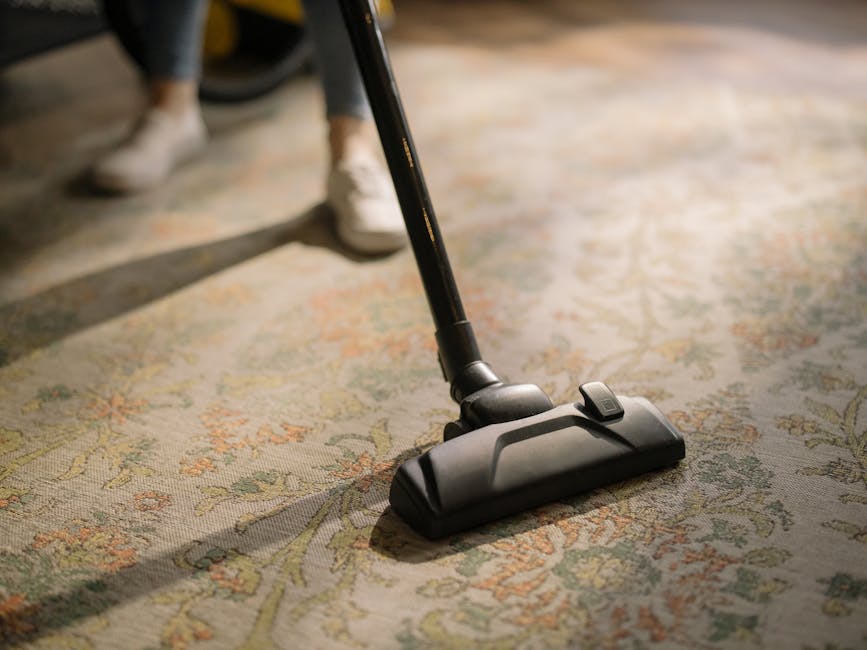
Carpet cleaning in Cassiobury Park and Nascot Wood: a practical local guide for cleaner, fresher homes
If your carpets are looking tired, flattening under everyday footfall, or holding onto that faint "lived-in" smell no matter how often you vacuum, you are not alone. Carpet cleaning in Cassiobury Park and Nascot Wood is one of those jobs that sounds simple until you actually need to do it properly. A quick surface clean can help, sure, but real results usually come from understanding the fibre, the stain, the drying time, and the way your home is used.
This guide walks through what professional carpet cleaning involves, why it matters locally, and how to choose the right approach for your home or rental. It also covers common mistakes, best-practice checks, a simple step-by-step process, and a realistic comparison of methods. In short: the useful stuff, without the fluff.
Why Carpet cleaning in Cassiobury Park and Nascot Wood matters
Cassiobury Park and Nascot Wood are the kind of places where homes are often well-kept, but that does not mean carpets stay spotless. Daily life has a way of quietly building up into visible wear: muddy shoes after a wet walk, pet traffic, children tracking crumbs from room to room, and the kind of fine dust that settles in the pile before you notice it. By the time a carpet looks dull, it has often already trapped a lot more than surface dirt.
That is why proper carpet cleaning matters. It is not just about appearance, although that helps a lot. It is about reducing built-up soil, refreshing fibres, and extending the usable life of the carpet. In practice, this can make a room feel brighter, less stuffy, and much easier to live in. You notice it straight away when the pile lifts and the room stops feeling a bit flat.
There is also a local practical angle. Homes in leafy residential areas often see more outdoor debris brought indoors, especially in rainy spells. Hallways, stairs, and reception rooms tend to take the brunt of it. If you wait too long, soil becomes embedded and the carpet starts wearing unevenly. Let's face it, replacing carpet is far more expensive than maintaining it properly.
For landlords, tenants, homeowners, and small businesses nearby, carpet cleaning is also a trust issue. A clean carpet signals care. In a rental or end-of-tenancy context, that can influence how a property is presented. In a family home, it simply makes everyday life feel more comfortable. Small thing? Maybe. But it really changes the feel of a place.
How Carpet cleaning in Cassiobury Park and Nascot Wood works
Professional carpet cleaning usually follows a methodical process rather than a one-size-fits-all blast of detergent. The cleaner first identifies the carpet type, the degree of soiling, and any stubborn spots that need pre-treatment. Wool, synthetic blends, and delicate pile finishes all behave differently. Treat them the same, and you can end up with uneven results or slow drying.
A typical service may include vacuuming, spot treatment, pre-spraying, agitation, extraction, and post-clean checks. Some carpets respond best to hot water extraction, while others may need a lower-moisture approach. The right method depends on fibre type, backing, age, and how much residue is already present in the carpet. In other words, the machine matters, but judgment matters just as much.
Hot water extraction is common because it can reach deep into the pile and remove soil that vacuuming alone will not touch. It is often called steam cleaning, though that phrase is a bit loose in everyday conversation. The process uses heated water and cleaning solution, then extracts the moisture and loosened dirt. It is effective, but it does require proper drying time. If the room is closed up on a damp day, drying can take longer than people expect.
Dry compound or low-moisture methods can be useful for lighter maintenance or for carpets that should not stay wet for long. They are not always the answer, but they have their place. As with most things in cleaning, the best result usually comes from matching the method to the material rather than chasing the most dramatic-sounding option.
For households that already use other cleaning services, carpet cleaning often sits comfortably alongside deep cleaning or one-off cleaning. If the job includes upholstery or rugs as well, you may want to coordinate with sofa cleaning or rug cleaning so the whole room feels fresh rather than half-done.
Key benefits and practical advantages
A good carpet clean gives you more than a nicer-looking floor. The benefits tend to show up in everyday life, and that is where they really count.
- Improved appearance: Colour looks more even, traffic lanes fade, and the room stops looking tired.
- Better freshness: Odours from pets, spills, and general use are reduced rather than masked.
- Longer carpet life: Removing gritty soil helps reduce fibre wear from foot traffic.
- Healthier-feeling spaces: While carpet cleaning is not a medical treatment, removing dust and residue can make a room feel cleaner and easier to breathe in.
- Better stain handling: Spots are less likely to become permanent if they are treated properly and promptly.
- More presentable rooms: Useful for guests, tenants, house viewings, or home working spaces.
There is also a subtle psychological lift. A freshly cleaned carpet makes a room feel looked after. That can be surprisingly motivating if you work from home or spend a lot of time in the same living room. You sit down, look around, and think: right, that is better. Simple, but real.
If you are comparing carpet care with other household services, it is worth noting that a broader domestic cleaning routine or occasional house cleaning helps keep carpets cleaner for longer. The same goes for pairing them with window cleaning or hard floor cleaning when a whole-home refresh is due.
Who this is for and when it makes sense
Carpet cleaning in Cassiobury Park and Nascot Wood makes sense for a wide range of people, but the reasons differ a bit.
Homeowners often book when carpets begin to look dull, after a spill, or before hosting family and friends. If you have kids or pets, you may notice the need sooner. That is normal. No judgement.
Tenants may need a carpet clean at the end of a tenancy, especially where the property had light-coloured carpets or heavy use in hallways and bedrooms. In that setting, it is worth checking the condition requirements carefully and leaving enough time for drying before handover.
Landlords and letting agents usually want carpets cleaned between occupancies to improve presentation and reduce disputes over cleanliness. The cleaner the carpet, the easier the flat or house is to market. It sounds obvious, but sometimes obvious is what gets ignored.
Businesses with reception areas, meeting rooms, or staff spaces may need regular carpet maintenance to keep premises professional and reduce wear in high-traffic zones. In that case, scheduling matters more than perfection.
Anyone dealing with a specific issue - a red wine spill, pet accident, tracked-in mud, or a lingering smell - may benefit from a targeted spot treatment followed by a fuller clean later on.
And when should you not rush into it? If the carpet is fraying, the backing is damaged, or the stain has already been treated repeatedly with unknown products, a professional assessment is wiser than another DIY attempt. Sometimes less is more, odd as that sounds.
Step-by-step guidance
If you want a cleaner carpet with fewer surprises, this is the process that tends to work best.
- Assess the carpet first. Look at the fibre type, stain locations, traffic areas, and any weak seams or worn patches.
- Vacuum thoroughly. This removes loose grit before moisture is introduced. Skipping this step is one of the fastest ways to get mediocre results.
- Identify problem spots. Mark or remember any stains, odours, or darker lanes so they can be treated before the main clean.
- Choose the method. For many standard carpets, hot water extraction is effective. For delicate or moisture-sensitive carpets, a lower-moisture method may be better.
- Pre-treat stains. A suitable pre-spray or spot solution helps loosen grime. The cleaner should avoid over-wetting the area.
- Agitate where needed. Light brushing can help cleaning solution reach the fibre more evenly. It should be controlled, not aggressive.
- Extract soil and moisture. This is where the deep cleaning happens. Proper extraction matters more than simply adding lots of water.
- Check edges and transitions. Hallways, skirting edges, and under-furniture zones often need extra attention.
- Dry properly. Open windows if weather allows, keep airflow moving, and avoid putting heavy furniture back too quickly.
- Inspect the result. Look for remaining spots, patchiness, or lingering dampness. If needed, a targeted follow-up treatment can finish the job.
A small but useful detail: if you can, avoid walking on the carpet in outdoor shoes immediately after cleaning. Freshly cleaned fibres can pick up soil very easily while still drying. One muddy footprint, and you are back to square one. Not ideal.
Expert tips for better results
The best carpet cleaning results usually come from a few sensible habits rather than one clever trick.
- Act quickly on spills. Blot, don't rub. Rubbing pushes the spill deeper and can distort the pile.
- Use the right amount of moisture. More water is not always better. In fact, too much can cause longer drying, wicking, or residue.
- Test stain removers first. Especially on wool or older carpets, a discreet test patch is the smart move.
- Clear the room before cleaning. The less furniture in the way, the more even the clean and the easier the dry-down.
- Prioritise traffic lanes. Hallways and the path from sofa to kitchen usually need the most attention.
- Maintain with regular vacuuming. Once or twice a week is often a good baseline for busy homes, more if you have pets.
- Schedule cleaning before soil becomes embedded. Waiting until the carpet looks obviously dirty usually means the fibres have already been under strain for a while.
If you are arranging a larger home refresh, it can make sense to align the carpet clean with upholstery cleaning or oven cleaning. That way, the whole property feels consistent. Clean carpet next to a sticky sofa or a grimy oven? Bit of a mixed message.
One more thing: a room that smells damp after cleaning is not automatically a problem, but it should never smell strongly musty. If it does, drying or extraction has likely been insufficient. That is the point where you stop and fix the cause rather than covering it up.
Common mistakes to avoid
Some carpet-cleaning errors are tiny in the moment and annoying later. Others can be properly costly.
- Using too much detergent: Residue attracts dirt, which means the carpet can look dirty again sooner.
- Over-wetting the fibres: This can lengthen drying time and, in some cases, affect backing or underlay.
- Scrubbing stains aggressively: It may spread the mark or damage the pile.
- Ignoring the carpet type: Wool and synthetic carpets are not treated the same way for good reason.
- Leaving furniture too soon: Marks, dents, or colour transfer can happen while the carpet is still damp.
- Only cleaning the visible area: Partial cleaning can leave obvious outlines or patchy sections.
- Waiting until the room smells "off": By then, soil and odour are often more deeply set.
One mistake people make all the time is assuming a stronger product gives a better clean. Not necessarily. In carpet care, control beats brute force. Usually.
Tools, resources and recommendations
You do not need a van full of gadgets to keep carpets in decent condition, but a few practical tools make life easier.
| Tool or resource | What it helps with | Practical note |
|---|---|---|
| Good vacuum cleaner | Regular soil removal | A cleaner carpet starts with proper vacuuming, especially in high-traffic zones. |
| Microfibre cloths | Blotting spills | Useful for quick response before a stain sets. |
| Gentle spot treatment | Targeted stain handling | Always test on a hidden area first. |
| Air circulation | Drying support | Open windows where practical and safe, or improve ventilation indoors. |
| Furniture sliders or pads | Post-clean furniture return | Helps avoid fresh pile marks or wet compression. |
If you want a professional clean rather than a DIY attempt, it helps to work with a reliable cleaning company that can explain the method, drying expectations, and any limitations up front. You can also look at their pricing and quotes information before booking, because clarity upfront saves awkward conversations later.
For customers who care about how products are handled, it is sensible to ask about recycling and sustainability, as well as basic insurance and safety details. A trustworthy cleaner should be able to answer plainly, without any theatrical performance. That alone is a good sign.
Law, compliance, standards, and best practice
Carpet cleaning is not heavily regulated in the way some industries are, but there are still important standards of care. A professional cleaner should follow sensible health and safety practices, use products appropriately, and take care not to damage carpets, furniture, or flooring during the job.
In the UK, customers also expect fair treatment around pricing, service descriptions, security of payments, and complaint handling. It is normal to review terms before booking, especially if you are arranging a larger service or need access to a property while you are away. For that reason, it is worth checking the provider's terms and conditions, payment and security, and complaints procedure.
There is also a practical compliance angle around safety in occupied homes. Good practice includes keeping walkways safe, avoiding slippery residues, preventing electrical hazards around wet equipment, and explaining any drying restrictions clearly. If cleaners need to move furniture or work around fragile items, that should be discussed before anything starts. Common sense, but it matters.
When in doubt, the right question is not "Can this be cleaned?" but "Can it be cleaned safely and well on this carpet, in this room, at this time?" That is the mark of a careful service.
Options, methods, and comparison table
Different carpet-cleaning methods suit different situations. The table below gives a simple, honest comparison.
| Method | Best for | Pros | Watch-outs |
|---|---|---|---|
| Hot water extraction | Most standard domestic carpets | Deep soil removal, strong overall refresh | Needs proper drying time; not ideal for every delicate carpet |
| Low-moisture cleaning | Light maintenance or moisture-sensitive settings | Quicker drying, less water use | May be less effective on heavy soiling |
| Spot treatment only | Single spills or small stains | Fast and targeted | Does not replace a full clean when the carpet is broadly dirty |
| Routine vacuuming plus periodic professional clean | Busy homes and rental properties | Best long-term maintenance balance | Requires consistency, not just one-off effort |
If you are unsure which method your carpet needs, that usually means a short assessment is more valuable than guessing. It is better to choose the right technique once than to fix a cleaning mistake twice. Been there, regretted that.
Case study or real-world example
A common local scenario looks something like this: a family home in the Cassiobury area has light-beige carpets in the hall and living room. Over time, the hall picks up fine grit from shoes, the living room gets a few food marks, and the carpet begins to look darker along the walking route. Nothing dramatic, just a slow slide into "fine, but not really fine."
The first step is always assessment. The carpet is checked for fibre type, age, and any fragile joins. The visible spots are identified, then the whole room is vacuumed thoroughly. A targeted pre-treatment is applied to the traffic lanes and a couple of small marks near the sofa. After the main clean, the room is left to dry with sensible airflow.
The result is not magic. That would be unrealistic. But the room looks fresher, the traffic lanes are much less obvious, and the carpet feels softer underfoot. The family notices something else too: the room smells cleaner without feeling perfumed. That is usually the sweet spot. Clean, but not cloying.
For a rental property in Nascot Wood, the priorities can be slightly different. The goal may be to present the property well between tenancies, remove general wear, and reduce the risk of disputes over cleanliness. In that case, timing matters almost as much as the clean itself. You want it done before inspection, not the evening before keys are handed back when everyone is rushing around in socks and hoping for the best.
Practical checklist
Use this checklist before, during, or after carpet cleaning:
- Vacuum thoroughly before any wet cleaning begins.
- Identify stains, odours, and high-traffic areas.
- Check carpet fibre type and condition.
- Test stain products in a hidden spot if needed.
- Clear fragile items and move lightweight furniture.
- Make sure ventilation is ready for drying.
- Confirm which method is being used and why.
- Ask about drying time before you rearrange the room.
- Keep pets and children off the carpet until it is fully dry.
- Review the result in daylight if possible, not just by lamp light.
Expert summary: the best carpet cleaning is careful, not rushed. Match the method to the carpet, control the moisture, manage drying properly, and clean before dirt becomes deeply embedded. That approach protects the carpet and gives you the most noticeable improvement for the least hassle.
Conclusion
Carpet cleaning in Cassiobury Park and Nascot Wood is ultimately about preserving comfort, appearance, and value. It is one of those home-care tasks where the payoff is immediate but also long-lasting if done well. The room feels fresher, the carpet lasts longer, and the whole place looks more looked after. Honestly, you notice it every time you walk in.
The key is to avoid shortcuts. Use the right method, treat stains properly, allow enough drying time, and do not wait until the carpet is already heavily worn before acting. If you are comparing options or planning a broader refresh, a thoughtful approach will always beat a hurried one.
If you are ready to take the next step, speak with a trusted local cleaner, ask clear questions, and choose the service that fits your home rather than just the cheapest headline. A bit of care now can save a lot of stress later.
Get a free quote today and see how much you can save.
Frequently Asked Questions
How often should carpets be professionally cleaned?
For many homes, once or twice a year is a sensible rhythm, but it depends on foot traffic, pets, children, and whether the carpet is in a hall, stairs, or bedroom. Busy homes usually need more frequent attention.
Is steam cleaning safe for all carpets?
Not always. Hot water extraction works well for many carpets, but delicate fibres, older backings, or moisture-sensitive materials may need a different approach. A proper assessment first is the safer route.
How long does carpet cleaning take to dry?
Drying time varies with the method used, airflow, room temperature, and carpet thickness. Some carpets feel dry much sooner than others, but it is best to wait until the pile and backing are fully dry before moving furniture back.
Can carpet cleaning remove all stains?
No cleaner should promise that. Many stains can be improved a lot, but some marks are permanent, especially if they were left for a long time, heat-set, or treated with the wrong product. Honest expectations matter here.
What is the best way to deal with a fresh spill?
Blot gently with a clean cloth, working from the outside of the spill inward. Do not scrub. Scrubbing usually pushes the stain deeper and can damage the pile. Quick action helps, but calm action helps more.
Do I need to move furniture before the cleaner arrives?
It helps to move smaller items, breakables, and clutter in advance. Some larger furniture may stay in place or be moved carefully, depending on the service agreement. Always check before the appointment.
Is carpet cleaning useful at the end of a tenancy?
Yes, very often. It can help the property present better and may reduce disputes about cleanliness if the carpet was already dirty through normal use. Just make sure there is enough time for drying before check-out.
Will carpet cleaning remove pet odours?
It can reduce many pet-related smells, especially when the issue is surface soil or general build-up. Strong or deep-set odours may need targeted treatment, and in some cases the underlay may be part of the problem too.
What should I ask before booking a carpet cleaner?
Ask about the cleaning method, expected drying time, stain treatment, insurance, and what happens if a spot does not respond fully. Clear answers up front are usually a sign of a well-run service.
Can I walk on the carpet after cleaning?
Light foot traffic may be possible sooner than full use, but it is best to limit movement until the carpet is properly dry. If you must walk across it, clean socks or protective overshoes are a sensible precaution.
Does regular vacuuming really make a difference?
Absolutely. Vacuuming removes loose grit before it works its way deeper into the fibres. That reduces wear and helps any professional carpet clean work more effectively. It is boring, perhaps, but very effective.
What if the carpet still looks patchy after cleaning?
Patchiness can happen if there was uneven wear, residue from old products, or differences in pile direction. In some cases, a follow-up treatment or better drying makes the appearance more consistent. If not, the issue may be wear rather than dirt.